Claim compensation for repairs your landlord hasn’t fixed
If your council or housing association hasn’t fixed issues like damp, mould, leaks or heating problems, you may be entitled to no win, no fee* compensation.
We help thousands of people every year start their claim
Quick enquiry form takes one minute
We only work with regulated legal experts
Check if you qualify for a no win, no fee* claim
For damp, leaks or repair issues
Safe. Secure. Confidential.
We help thousands of people every year start their claim
Support and guidance for housing disrepair claims
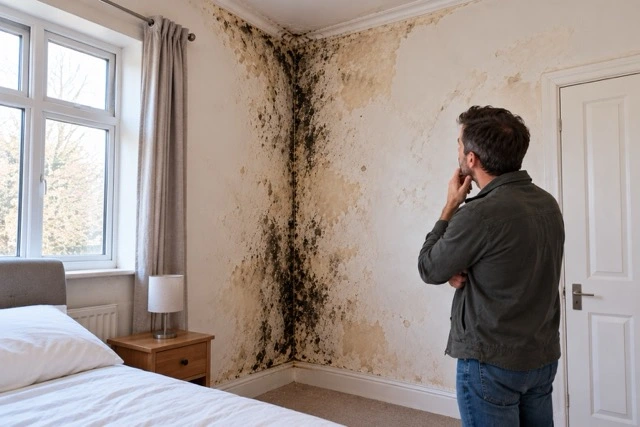
If your council or housing association has failed to deal with problems like damp, mould, leaks or heating issues, you may be entitled to support in getting the repairs carried out and claiming compensation for the impact the situation has had on your daily life. Many tenants feel frustrated after repeatedly reporting problems and getting nowhere, but there are steps you can take to move things forward.
We work with no win, no fee* solicitors, so any compensation claim will be handled on this basis, meaning that if your claim is unsuccessful, you won’t have to pay anything. Successful claimants typically pay 25% of awarded compensation. Terms and conditions apply*. Click for more information.
You don’t have to use the services of a claims management company, you can contact the Housing Ombudsman Service and manage the process yourself for free. Our specialist partners, to whom we refer consumer enquiries, pay us a marketing fee.
If you rent from a council or housing association, and repairs haven’t been properly dealt with, you may be able to claim compensation.
This includes tenants of organisations like local councils such as Birmingham, Southwark or Manchester, or housing associations such as L&Q, Clarion, Sanctuary or Peabody.
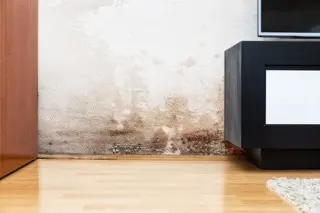
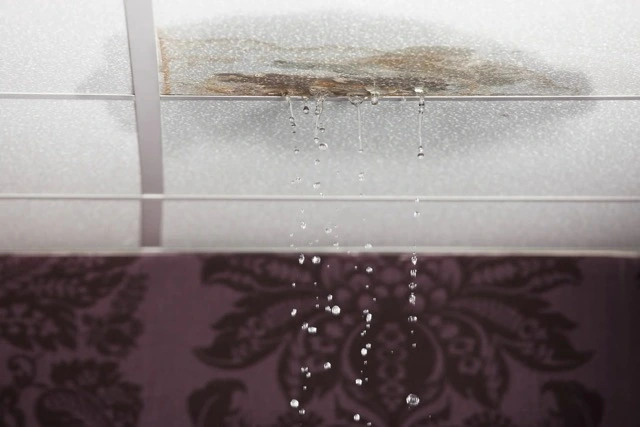
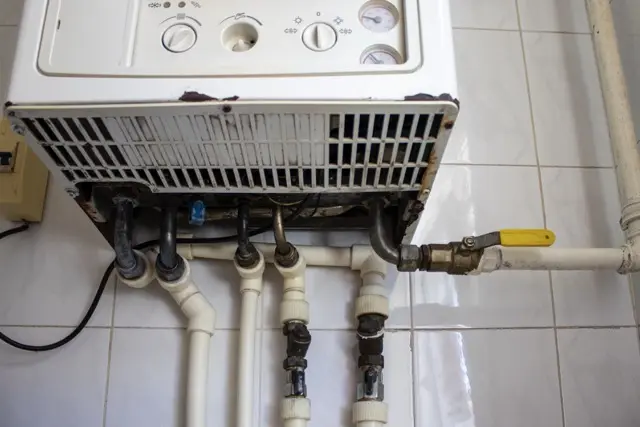
Whether it’s damp, mould, leaks or heating problems, your landlord has a responsibility to fix these and other issues within a reasonable time.
If you’ve already reported the problem but nothing has changed, it can feel like you’re being ignored — but you don’t have to deal with it on your own, and there are clear steps you can take next.
No one should have to live in a home that’s unsafe, unhealthy or poorly maintained.
If you rent from your local council — such as Birmingham, Southwark, Manchester or Leeds Council — and repairs haven’t been sorted, you may be able to claim compensation.
Councils have a legal duty to maintain their housing and respond to repair issues within a reasonable timeframe. This includes problems such as damp and mould, leaks, heating failures and structural damage.
Many tenants report issues through council repair systems again and again, only to face delays, missed appointments or temporary fixes. If that sounds familiar, you don’t have to keep chasing it on your own — support is available to help you move things forward.
No one should have to live in a council property that's unsafe or falling into disrepair.
You may be able to claim if:
You’ve reported the issue through your council’s repair process
The problem hasn’t been properly fixed
Repairs have been delayed or ignored
The issue is still ongoing
Making a claim is about getting the situation put right. Your tenancy rights are protected.
If you rent from a housing association like L&Q, Clarion, Sanctuary or Peabody, and repairs haven’t been properly dealt with, you may be able to claim compensation.
Housing associations are responsible for keeping your home safe and in good repair. That includes fixing issues such as damp, mould, leaks and heating problems within a reasonable time.
If you’ve already reported the issue but nothing has changed — or it keeps coming back — it can feel like you’re not being listened to. If you feel like your voice isn’t being heard, you’re not alone — and there are steps you can take.
No one should have to live in a home that's unsafe, cold or poorly maintained.
You may be able to claim if:
You’ve reported the issue to your housing association
Repairs haven’t been completed properly or have been delayed
How much compensation can you claim for damp, mould or poor housing conditions?
If your landlord failed to fix problems in your home after you reported them, you may be entitled to compensation. This can help recognise the impact the situation has had on your day-to-day life, as well as helping to put things right. The amount you could claim depends on how serious the issue was, how long it lasted, and how it affected your daily life.
There aren’t fixed compensation levels for housing disrepair claims. Instead, courts usually base awards on a percentage of your rent for the time you were living with the problem.
Typical Compensation Examples - based on monthly rent of £400
Severe conditions£2,400 – £4,800†
For example: If your home was unsafe or very difficult to live in — e.g., no heating in winter or severe water damage.
Based on 50%–100% of rent. Duration of issues: 12 months.
Serious issues£2,160 – £3,600†
For example: If multiple problems affected your day-to-day life, such as damp, mould, leaks, or broken heating.
Based on 30%–50% of rent. Duration of issues: 18 months.
Moderate issues£960 – £1,920†
For example: Ongoing problems such as damp or mould affecting part of your home.
Based on 20%–40% of rent. Duration of issues: 12 months.
Minor issues£480 – £960†
For example: If you experienced problems like occasional heating issues or small leaks that caused inconvenience but didn't severely affect your living conditions.
Based on 10%–20% of rent. Duration of issues: 6 months.
Figures above are illustrative — your actual claim depends on your rent amount, the severity of the issue, and how long it lasted.
Compensation varies case by case, but these illustrations reflect how UK courts commonly assess claims using rent-based calculations and established legal principles, e.g. Wallace v Manchester City Council, which establishes that damages can be awarded based on loss of amenity, often calculated as a percentage of rent.
Compensation for poor housing conditions is supported by a combination of legal precedent and professional assessment standards. for more information.
You may also be able to claim for:
Damage to belongings (e.g. mould-damaged clothes or furniture)
Higher energy bills, maybe caused by trying to dry out a damp home or to compensate for broken heating
The impact on your day-to-day life
Other out-of-pocket expenses
Important to know:
Every claim is different. The amount you could receive will depend on:
How serious the problem was
How long it went unresolved
Whether your landlord had the opportunity to fix it
‘No win, no fee’ means you can find out if you have a housing disrepair claim without paying any upfront legal costs. It gives you the chance to explore your options without financial risk.
Solicitors will usually only take on cases they believe have a strong chance of success. That’s why a specialist advisor will first assess your situation and let you know if you’re likely to qualify.
If your claim isn’t successful, you won’t pay any solicitor’s fees — so you won’t be out of pocket for making a claim. for more information.
How the process works
1
Make an enquiry
Start by completing the short enquiry form. We will connect you to a housing disrepair specialist through our free, no-obligation referral service.
2
Speak to a specialist
A specialist advisor will review your situation to see if you could have a valid claim. If you do, they'll explain your options clearly and answer any questions you have.
3
Choose whether to proceed
There's no pressure to continue. You can take your time to decide whether you'd like to move forward.
4
A solicitor takes on your case
If you decide to go ahead, you'll be matched with an approved and regulated 'no win, no fee' solicitor, who will handle your claim and discuss the compensation you may be entitled to.
5
Understand the fees
If unsuccessful
You won't pay any solicitor's fees.
If successful
A percentage of your compensation (typically around 25%) will be taken as a fee.
Your rights as a council or housing association tenant
If you rent from a council or housing association, your landlord has a legal responsibility to keep your home safe, warm and fit to live in.
If they don’t fix problems within a reasonable time after being told about them, you may have the right to take action — including claiming compensation.
What your landlord is legally responsible for
Under UK law, social housing landlords must:
Keep the structure and exterior of your home in good repair
Maintain heating, hot water, gas, electricity and sanitation
Deal with damp and mould promptly
Carry out repairs within a reasonable time once reported
The laws that protect social housing tenants
If your council or housing association hasn’t properly dealt with problems in your home, there are laws in place designed to protect you. Click to find out more.
Awaab’s Law (Damp and Mould in Social Housing)
If you are a council or housing association tenant living with damp or mould, Awaab’s Law strengthens your right to have it fixed quickly, and to claim compensation if it isn’t. It requires social landlords to:
Investigate reported hazards within set timeframes
Fix serious issues promptly
Take damp and mould complaints seriously
This law reflects how seriously these problems are now treated, making it a priority for social housing landlords.
Section 11 of the Landlord and Tenant Act 1985
Section 11 is one of the main laws covering housing repairs.
In simple terms, it means your landlord must:
Keep your home structurally sound
Repair essential systems like heating, water and electrics
Fix problems once they’ve been made aware of them
If they fail to do this, they may be in breach of their legal duties.
Homes (Fitness for Human Habitation) Act 2018
This law strengthens your rights as a tenant.
It means your home must be fit to live in — not just structurally sound.
This includes issues like:
Damp and mould
Poor ventilation
Excess cold or heating failures
Water leaks and unsafe conditions
If issues like this are making your home unsuitable to live in, this law may apply — even if repairs have already been attempted.
What this means for you
If you’ve reported a problem and your landlord hasn’t fixed it properly, you may have the right to:
Have the repairs carried out
Claim compensation for the time you’ve lived with the issue
Be compensated for damage and inconvenience
You don’t have to deal with this on your own
If you feel like your voice isn’t being heard, and that no one is putting things right, it can be frustrating and exhausting — but there are steps you can take to move things forward.
Everyone deserves a home that is safe, properly maintained and fit to live in.
Checking whether you can make a claim is quick, and there’s no obligation to go ahead.
Every year, we support thousands of tenants across the UK to start their housing disrepair claim, helping people who feel stuck or ignored take clear steps towards getting problems resolved.
One-minute enquiry form
Our enquiry form is designed to take around one minute to complete, so you can quickly give details about your situation without it feeling time-consuming or overwhelming.
We only work with regulated experts
Every claim we refer is handled by a regulated solicitor authorised to take on housing disrepair cases, so you can be confident your case is managed by a qualified legal professional.
No cost and no obligation
You can check whether you may have a claim completely free of charge, with no obligation to proceed, giving you the space to understand your options before making any decisions.
Call-back usually within 24hrs
Once you’ve submitted your enquiry, you’ll usually receive a call back within 24 hours, so you can speak to someone promptly and start getting clarity on your situation.
No win, no fee* claims
If your claim goes ahead on a no win, no fee basis, you won’t pay any solicitor’s fees unless your case is successful, helping to reduce financial risk while you pursue a claim.
FAQs
Can I still claim if I’m living in the property?
Yes — most housing disrepair claims are made while tenants are still living in their home.
All of our specialist partners offer a no win, no fee service which means that if they don’t win your case for you, you won’t pay a penny. As long as you are honest with the information you provide and keep to the conditions of your agreement, you will not have to pay either your solicitor’s fees or those of the other party.
What are termination fees?
If you cancel your agreement with your solicitor outside of the 14 day cancellation period, then termination fees may apply. Please discuss this directly with your solicitor.
What do I pay if my case is successful?
If your solicitor wins your case, then typically, customers pay fees of 25% including VAT of the compensation amount that is recovered. Please note that this may be subject to your individual circumstances and the actual fee may be more or less than this. You may be required to pay an additional fee for other costs such as after-the-event (ATE) insurance.
Is there any other way I can make a claim?
You don’t have to use the services of a claims management company, you can contact the Housing Ombudsman Service and manage the process yourself for free.
More information
Case law (e.g. Wallace v Manchester City Council)
Establishes that damages can be awarded based on loss of amenity, often calculated as a percentage of rent.
Housing Disrepair Protocols
Pre-action protocols guide how claims are handled, including evidence requirements and opportunities for landlords to resolve issues.
Surveyor Reports
Independent expert reports assess the severity of defects, required repairs, and impact on living conditions.
HHSRS (Housing Health and Safety Rating System)
Local authorities assess hazards such as damp, mould, excess cold, and structural risks. Serious hazards (Category 1) can significantly strengthen a claim.
No win, no fee terms
If your claim is successful, a percentage of your compensation, typically around 25%, will be taken as a fee. Terms and conditions apply.




Who do you rent from?
Problems with your rented social housing?
If you rent from a council or housing association, and repairs haven’t been properly dealt with, you may be able to claim compensation.
This includes tenants of organisations like local councils such as Birmingham, Southwark or Manchester, or housing associations such as L&Q, Clarion, Sanctuary or Peabody.
Whether it’s damp, mould, leaks or heating problems, your landlord has a responsibility to fix these and other issues within a reasonable time.
If you’ve already reported the problem but nothing has changed, it can feel like you’re being ignored — but you don’t have to deal with it on your own, and there are clear steps you can take next.
No one should have to live in a home that’s unsafe, unhealthy or poorly maintained.
You may be able to claim if:
- You rent from a council or housing association
- You’ve reported the issue to your landlord
- The problem is still ongoing
- It’s your landlord’s responsibility to fix
Check if you qualifyProblems with your council housing?
If you rent from your local council — such as Birmingham, Southwark, Manchester or Leeds Council — and repairs haven’t been sorted, you may be able to claim compensation.
Councils have a legal duty to maintain their housing and respond to repair issues within a reasonable timeframe. This includes problems such as damp and mould, leaks, heating failures and structural damage.
Many tenants report issues through council repair systems again and again, only to face delays, missed appointments or temporary fixes. If that sounds familiar, you don’t have to keep chasing it on your own — support is available to help you move things forward.
No one should have to live in a council property that's unsafe or falling into disrepair.
You may be able to claim if:
Making a claim is about getting the situation put right. Your tenancy rights are protected.
Check if you qualifyProblems with your housing association home?
If you rent from a housing association like L&Q, Clarion, Sanctuary or Peabody, and repairs haven’t been properly dealt with, you may be able to claim compensation.
Housing associations are responsible for keeping your home safe and in good repair. That includes fixing issues such as damp, mould, leaks and heating problems within a reasonable time.
If you’ve already reported the issue but nothing has changed — or it keeps coming back — it can feel like you’re not being listened to. If you feel like your voice isn’t being heard, you’re not alone — and there are steps you can take.
No one should have to live in a home that's unsafe, cold or poorly maintained.
You may be able to claim if:
- You’ve reported the issue to your housing association
- Repairs haven’t been completed properly or have been delayed
- The problem is still affecting your home
- It’s something your landlord is responsible for
Check if you qualify